Something has happened to the tone of public debate in Sweden. When every social issue is framed as a threat or a systemic failure, we lose faith in the future.
It is easy to understand why this year’s Almedalen is marked by concern. War in Europe, economic uncertainty, gang violence, cyber threats, the climate crisis and a harsher social climate naturally leave their mark on public debate. But perhaps something bigger is happening to the tone of Sweden’s public conversation. When almost every social issue is framed as a threat or a systemic failure, we risk losing something else along the way: faith in the future. Perhaps what Sweden needs right now is more realism, but also considerably more optimism.
Looking at Almedalen over the past few years, a clear pattern emerges: optimism about the future has gradually been replaced by an almost permanent crisis perspective. Just a few years ago, Almedalen was marked by conversations about innovation, opportunity and social development. The green transition, digitalisation and entrepreneurship were described as ways forward. Companies and organisations talked about growth, new ideas and the solutions of tomorrow.
This year’s programme takes a different perspective. Conversations now focus on security, mental health, social vulnerability and society’s resilience. AI is discussed mainly in terms of risks and loss of control. Democracy is described as under attack. The climate debate is more often about sacrifice than technological development and new opportunities. Words such as “preparedness”, “resilience” and “resistance” recur everywhere.
The language of business has changed too. Companies used to talk about transformation, innovation and sustainable growth. Now they position themselves as pillars of society in troubled times. The focus is on total defence, cybersecurity and robustness.
Almedalen should reflect its time. And in an era marked by war, economic anxiety and security threats, it is natural for these issues to take up considerable space. The problem arises when almost every social issue starts being described as a potential systemic threat. That changes the story Sweden tells about itself. Instead of a country looking ahead, we risk describing ourselves as a country primarily trying to avoid collapse.
Of course, Sweden needs to talk about security, energy supply and social unrest. But we also need a public conversation capable of holding two thoughts at once: the world has become less secure, and the future can still be improved.
Perhaps the most striking thing about this year’s Almedalen is not the number of crisis discussions, but how few are actually about opportunities. Where are the visions for Sweden’s next industrial breakthrough? Where are the discussions about how AI can strengthen Sweden’s competitiveness, or how the green transition can create new jobs? Where are the ideas for making Sweden richer, smarter and more innovative—not just less vulnerable?
Faith in the future does not mean denying problems. It means daring to set a direction. It is the responsibility of politics to show where Sweden is heading, not only what must be stopped.
Almedalen does not need less realism. But it needs considerably more optimism about the future.
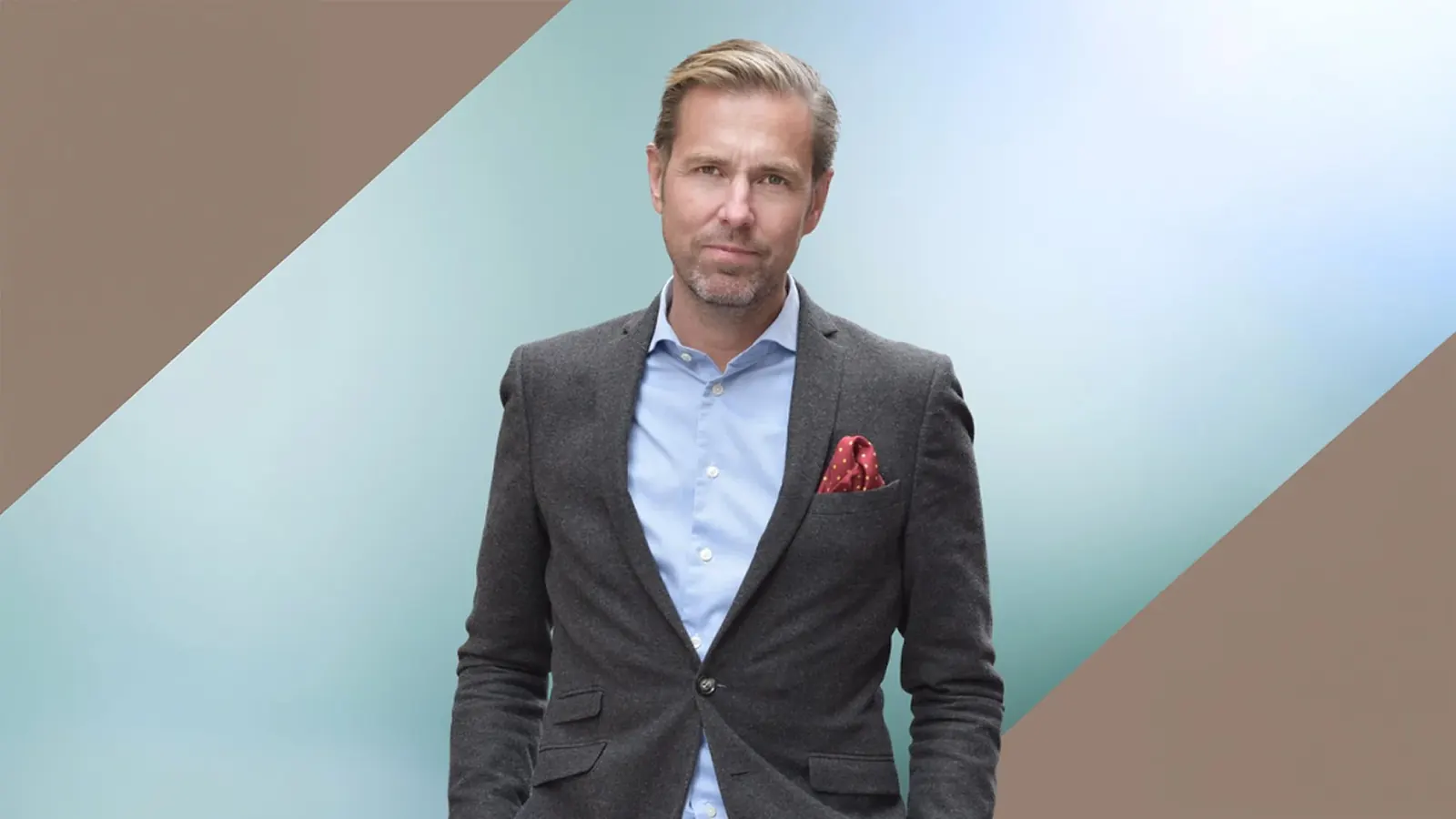
Axel Lagerbielke, CEO of Spotlight Communications