
PR and communications advisers are complicit in making everything about positioning—and in the disappearance of spaces for democratic dialogue, argues Erik Nilson, media specialist at Spotlight Communications, in this opinion piece.
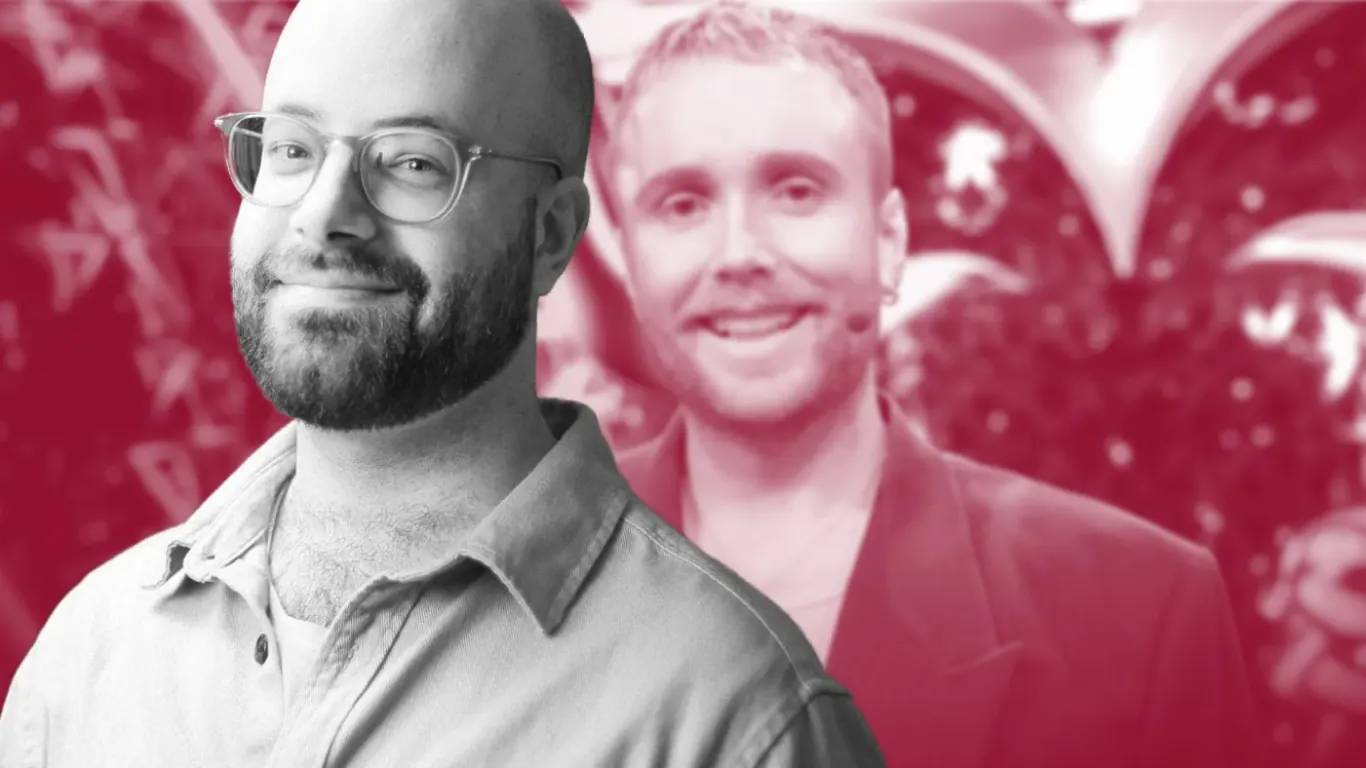
An interview series that has not even been published has become the first major media debate of the election campaign. DN Kultur’s decision to appoint podcast personality Edvin Törnblom to interview party leaders has prompted three leaders of the Tidö parties to decline the interview. The reason for their withdrawals is Törnblom’s stated left-wing sympathies.
A party leader interview should be about the issues and what the leader has to say about them. Instead, the debate is now about who is asking the questions. The most important thing for those involved is to position themselves and show who they are. In other words, they are building their brands.
Take DN’s appointment of Edvin Törnblom. Deputy culture editor Åsa Beckman herself acknowledged that the aim is “to reach a younger audience that may not read DN regularly”. A brand strategy in which DN is trying to reach an audience it fears losing.
At the same time, the party leaders are declining what would have been one of their biggest and most important interview platforms ahead of the election. It is a communications move that sends the message “we won’t accept the media’s terms” to a voter base that already distrusts traditional media to some extent. For the Liberals, Simona Mohamsson’s yes is an equally clear marker—a way to distinguish her brand from the rest of the governing coalition.
But here those of us in the PR and communications industry must step forward and say something uncomfortable: we have encouraged everyone involved to act this way. We have advised clients to control the narrative, own their channels and choose their audiences. We have taught them that the brand is what matters most. That was good advice in terms of each individual client’s interests.
But what disappears in this case is the space for dialogue. Democratic conversation requires politicians sometimes to face questions they do not want to answer, from people they have not chosen themselves. When they start rejecting the uncomfortable in favour of the controlled, to protect themselves and their brands, a democratic deficit emerges. That makes the Törnblom affair a bigger issue. It shows what happens when politics, journalism and communications begin operating according to the same logic: everything becomes positioning, and nothing becomes conversation.
As advisers in the PR and communications industry, we are not neutral observers of this development. We are among its most important architects. But in the long run, it impoverishes the society we work in. We need to consider whether urging people to opt out is always the right advice—and whether there is value in looking beyond the brand.
Erik Nilson, media specialist at Spotlight Communications